
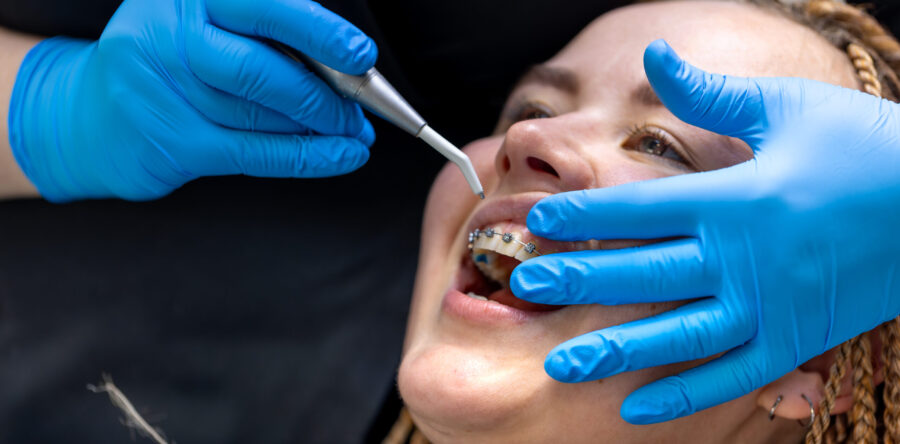
As a parent, you want your child’s smile to grow healthy and strong. But when is the right time to see an orthodontist? Many parents in Ontario, Canada assume orthodontic treatment only begins during the teenage years. However, early orthodontic evaluation can make a significant difference in preventing complex dental issues later.
At Alliance Dental Clinic, we help families understand the importance of early orthodontic assessments, recognize warning signs, and explore modern treatment options like Invisalign for teens and pre-teens. In this comprehensive guide, we’ll explain when children should have their first orthodontic evaluation, what signs to watch for, and how early intervention can protect your child’s oral health.
Why Early Orthodontic Evaluation Matters
Orthodontic problems don’t appear overnight. Issues like crowding, bite misalignment, or jaw growth irregularities often begin developing long before all permanent teeth erupt.
According to dental health guidelines, children should receive their first orthodontic evaluation around age 7. At this stage:
- Baby teeth and permanent teeth are both present
- Jaw growth patterns are becoming noticeable
- Bite problems can be detected early
- Space management can be planned
An early assessment does not always mean your child will need braces immediately. Instead, it allows dentists to monitor development and determine the ideal timing for treatment.
What Happens During a Child’s Orthodontic Evaluation?
At Alliance Dental Clinic in Ontario, a child’s orthodontic consultation typically includes:
- Comprehensive dental exam
- Digital X-rays
- Bite analysis
- Evaluation of jaw alignment
- Assessment of spacing and crowding
We check for conditions such as overbite, underbite, crossbite, open bite, jaw misalignment, and crowded teeth. Identifying these concerns early can prevent more invasive treatments later.
Early Warning Signs Your Child May Need Orthodontic Treatment
While some orthodontic problems are visible, others are subtle. Here are key signs parents in Canada should watch for:
1. Early or Late Loss of Baby Teeth
If baby teeth fall out too soon or remain too long, it may affect how permanent teeth erupt.
2. Difficulty Chewing or Biting
Frequent biting of the cheeks, trouble chewing, or jaw discomfort can indicate bite alignment issues.
3. Mouth Breathing
Chronic mouth breathing may affect jaw growth and facial development.
4. Crowded or Misaligned Teeth
Visible crowding or overlapping teeth are common signs that orthodontic care may be needed.
5. Thumb Sucking Beyond Age 5
Prolonged thumb sucking can cause open bites and jaw misalignment.
6. Speech Difficulties
Certain speech challenges may relate to improper tooth positioning.
If you notice any of these signs, scheduling an evaluation at Alliance Dental Clinic is a proactive step.
Why Age 7 Is the Ideal Time
By age 7, a child’s first permanent molars and incisors usually emerge. This allows dentists to assess:
- How upper and lower teeth fit together
- Jaw growth direction
- Potential space problems
Interceptive orthodontics, also called Phase 1 treatment, may begin if necessary. Early treatment can:
- Guide jaw growth
- Create space for permanent teeth
- Reduce risk of trauma to protruding teeth
- Correct harmful oral habits
In many cases, we simply monitor development until the right time for braces or Invisalign.
Invisalign for Kids and Teens in Ontario
Many parents ask whether Invisalign is suitable for children. Modern advancements have made Invisalign First and Invisalign Teen excellent options for growing smiles.
What Is Invisalign?
Invisalign uses clear aligners to gradually shift teeth into proper alignment. These removable trays are:
- Virtually invisible
- Comfortable
- Easy to clean
- Removable for eating and brushing
For teens who feel self-conscious about traditional metal braces, Invisalign offers a discreet alternative.
Benefits of Early Orthodontic Treatment
Early intervention provides several long-term benefits:
1. Prevents Severe Misalignment
Addressing small problems early reduces the risk of complicated treatments later.
2. Improves Facial Symmetry
Guiding jaw growth helps create balanced facial development.
3. Boosts Confidence
Children feel more confident when their smiles improve.
4. Reduces Risk of Tooth Damage
Protruding teeth are more likely to be injured during sports or falls.
5. Supports Long-Term Oral Health
Straight teeth are easier to clean, reducing the risk of cavities and gum disease.
Does Every Child Need Early Treatment?
Not necessarily. Many children simply require monitoring until adolescence. The goal of early evaluation is to determine timing — not to begin treatment prematurely.
At Alliance Dental Clinic, we develop personalized treatment plans tailored to your child’s growth and needs.
Orthodontic Treatment Options for Children
Depending on your child’s needs, options may include:
- Space maintainers
- Palatal expanders
- Partial braces
- Invisalign clear aligners
- Traditional braces
Each treatment plan is carefully designed to ensure optimal results with minimal discomfort.
What Parents in Ontario Should Know About Orthodontic Costs
Orthodontic treatment is an investment in your child’s future smile. Costs vary depending on:
- Type of treatment
- Duration of care
- Complexity of the case
Many dental insurance plans in Canada cover a portion of orthodontic care. Flexible payment options may also be available at Alliance Dental Clinic.
How to Prepare Your Child for an Orthodontic Visit
To make the experience positive:
- Explain the purpose in simple terms
- Avoid using words like “pain” or “needle”
- Reassure them it’s a routine checkup
- Choose a supportive, child-friendly dental clinic
Our team focuses on making children feel comfortable and confident during every visit.
Frequently Asked Questions (FAQs)
1. At what age should my child see an orthodontist?
Children should have their first orthodontic evaluation around age 7 to assess jaw growth and bite alignment.
2. Does early evaluation mean my child will need braces right away?
No. Many children only require monitoring. Early evaluation helps determine the best timing for treatment.
3. Is Invisalign safe for children?
Yes. Invisalign First and Invisalign Teen are designed specifically for growing smiles and are safe when supervised by a dental professional.
4. How long does orthodontic treatment take?
Treatment duration varies but typically ranges from 12 to 24 months, depending on the complexity.
5. Are orthodontic consultations covered by insurance in Ontario?
Many dental insurance plans in Canada provide partial coverage for orthodontic evaluations and treatment. It’s best to check with your provider.
Conclusion: Early Evaluation Leads to Lifelong Healthy Smiles
Early orthodontic evaluation plays a vital role in guiding your child’s dental development. By identifying bite issues, jaw alignment problems, or crowding at the right time, you can reduce the need for more complex treatments in the future.
At Alliance Dental Clinic in Ontario, Canada, we are committed to providing comprehensive orthodontic care, including Invisalign and early intervention options tailored to your child’s needs.
Book Your Child’s Orthodontic Evaluation Today
If your child is approaching age 7 or showing signs of bite or alignment issues, don’t wait. Early assessment can make all the difference.
Contact Alliance Dental Clinic today to schedule a consultation and give your child the confident, healthy smile they deserve.
