
A straight smile can improve both oral health and confidence. Many people who visit our clinic ask the same question: Should I choose Invisalign or traditional braces? If you are considering Invisalign Milton, you are likely comparing treatment options, wondering about comfort, and trying to understand how long the process takes.
At Alliance Dental Clinic, I regularly help patients decide between Invisalign braces and conventional orthodontic treatments. Every smile is different, and choosing the right approach requires careful evaluation, professional guidance, and a clear understanding of the process.
In this guide, I will explain invisalign vs braces, whether is invisalign faster than braces, and how invisalign dental braces work. I will also walk you through what discomfort is normal during orthodontic treatment, when pain might signal a problem, and what steps you should take to protect your oral health.
What Are Invisalign Braces?
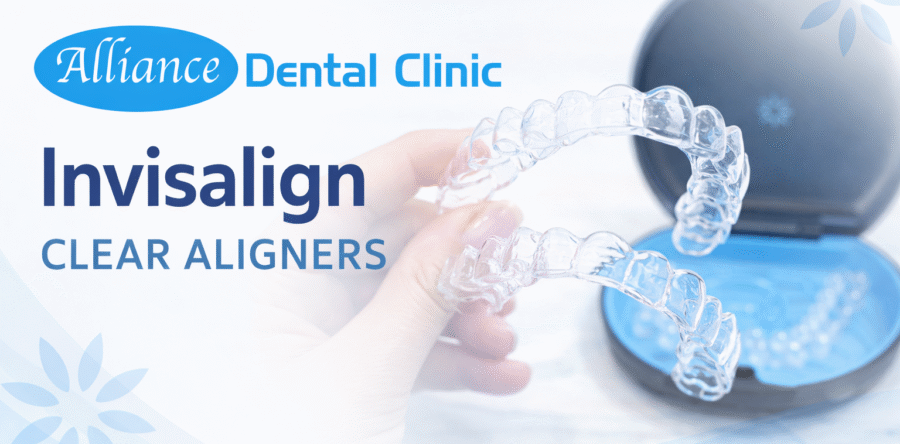
Invisalign braces are a modern orthodontic treatment that uses clear, removable aligners to gradually move teeth into proper alignment. Instead of metal brackets and wires, Invisalign uses custom-made trays that apply gentle, controlled pressure.
Each aligner is worn for about 1–2 weeks before switching to the next one in the series. Over time, the aligners guide the teeth toward their ideal position.
- Nearly invisible
- Removable for eating and brushing
- Designed specifically for each patient’s smile
Orthodontic treatment has evolved significantly in the past two decades, and clear aligner systems have become a widely accepted option for mild to moderate alignment concerns.
Invisalign vs Braces: Understanding the Difference
Many patients ask me about invisalign vs braces before making a decision. Both treatments aim to straighten teeth and improve bite alignment, but they differ in several ways.
Appearance
Traditional braces use metal brackets and wires attached to the teeth. Invisalign aligners, on the other hand, are transparent and far less noticeable.
For adults and teens who want a discreet option, invisalign dental braces are often preferred.
Comfort
Metal braces can sometimes irritate the cheeks and lips due to wires or brackets. Invisalign aligners are made of smooth plastic, which usually reduces friction and irritation.
However, mild pressure is expected with any orthodontic treatment because teeth are gradually shifting.
Oral Hygiene
With traditional braces, brushing and flossing can be more challenging. Invisalign aligners are removable, making oral hygiene easier.
Patients can remove the aligners when:
- Brushing teeth
- Flossing
- Eating meals
This flexibility often supports better overall oral health.
Treatment Complexity
Traditional braces may still be recommended for more complex orthodontic issues, such as severe bite problems or significant tooth rotation.
During consultations for invisalign milton, I evaluate each patient carefully to determine which treatment is most appropriate.
Is Invisalign Faster Than Braces?
Another common question is: is invisalign faster than braces?
The honest answer is that treatment time varies depending on the individual case.
According to orthodontic guidelines and clinical observations:
- Mild cases may be treated in 6–12 months with Invisalign.
- Moderate alignment cases may take 12–18 months.
- More complex orthodontic cases can take longer and may require traditional braces.
The key factor affecting treatment speed is patient compliance. Invisalign aligners must be worn 20–22 hours per day for optimal results. If aligners are removed frequently or worn inconsistently, treatment can take longer.
What Does Invisalign Treatment Feel Like?
Orthodontic treatment often causes mild discomfort, especially when teeth start shifting.
Many patients worry about pain, but most describe Invisalign as manageable.
Normal Discomfort
When switching to a new aligner tray, you may notice:
- Mild pressure on teeth
- Slight tightness in the jaw
- Temporary sensitivity
This discomfort typically lasts 24–72 hours as the teeth begin adjusting.
Inflammation
Some patients may experience mild gum inflammation, particularly if oral hygiene is not optimal.
Signs may include:
- Red gums
- Slight swelling
- Minor tenderness
Proper brushing, flossing, and cleaning aligners usually resolves this issue.
Possible Infection (Rare)
Although uncommon, infection can occur if oral hygiene is neglected.
Symptoms may include:
- Persistent swelling
- Severe tooth pain
- Gum discharge
- Fever or swelling around the jaw
If these symptoms appear, immediate dental evaluation is important.
Pain Locations and What They May Indicate
Understanding where discomfort occurs can help determine whether the sensation is normal or needs attention.
Front Teeth Pressure
Often indicates aligners are successfully moving the teeth.
Back Teeth or Jaw Tightness
May result from bite adjustments during treatment.
Gum Line Pain
Could suggest inflammation or irritation caused by plaque buildup.
Sharp Pain in One Tooth
May require dental evaluation to rule out decay or underlying dental problems.
When patients visit our clinic for invisalign milton, we always review any pain symptoms carefully to ensure treatment is progressing safely.
Step-by-Step Solutions: What to Do During Invisalign Treatment
Orthodontic treatment works best when patients follow clear daily habits.
What You Should Do
- Wear aligners 20–22 hours daily.
- Remove them before eating or drinking anything other than water.
- Brush and floss before reinserting aligners.
- Clean aligners gently with lukewarm water.
- Attend scheduled dental checkups.
These steps help maintain oral health and keep treatment on track.
What You Should Avoid
- Drinking sugary beverages with aligners in place
- Using hot water to clean aligners (can warp plastic)
- Skipping aligner changes
- Ignoring persistent discomfort
Consistency is essential for successful orthodontic results.
You Are Not Alone: Understanding the Emotional Side of Orthodontic Treatment
Many people feel self-conscious about their smile before starting treatment.
I often hear patients say they avoided photos or felt uncomfortable speaking in public. If you feel this way, please know you are not alone.
Orthodontic treatment is not just about aesthetics. Proper alignment can also support:
- Better oral hygiene
- Reduced risk of uneven tooth wear
- Improved bite function
Choosing invisalign braces can be an empowering step toward improved oral health and confidence.
Warning Signs: When You Should See a Dentist Immediately
While mild discomfort is expected, certain symptoms require immediate dental attention.
Stop reading and contact a dentist if you experience:
- Severe or worsening tooth pain
- Persistent gum swelling or bleeding
- Broken or cracked teeth
- Difficulty biting or chewing
- Signs of infection such as fever or facial swelling
Prompt evaluation helps prevent complications and ensures orthodontic treatment continues safely.
Recovery Timeline and What to Expect
Orthodontic treatment is a gradual process.
First Few Weeks
Patients adjust to wearing aligners. Speech changes and mild pressure are common.
First 3–6 Months
Noticeable improvements in tooth alignment begin to appear.
Mid-Treatment
Teeth continue shifting toward their final position. Regular checkups confirm progress.
Final Phase
Retention becomes important. After treatment, retainers help maintain the new alignment.
Without proper retention, teeth may gradually shift back toward their original position.
Possible Complications if Orthodontic Issues Are Untreated
Ignoring alignment problems may contribute to long-term oral health concerns, including:
- Uneven tooth wear
- Jaw discomfort
- Difficulty cleaning crowded teeth
- Increased risk of gum disease
Early orthodontic treatment can help prevent these complications.
Invisalign in Milton at Alliance Dental Clinic
If you are exploring invisalign milton, our team at Alliance Dental Clinic focuses on personalized orthodontic care.
During consultations, we evaluate:
- Tooth alignment
- Bite relationships
- Gum health
- Overall oral health
This careful assessment helps determine whether invisalign dental braces or another orthodontic solution is best suited for your smile.
Frequently Asked Questions
Is Invisalign faster than braces?
In some mild to moderate cases, Invisalign may produce results within 6–18 months. However, treatment time depends on the complexity of the alignment issue and how consistently the aligners are worn.
Are Invisalign braces painful?
Most patients experience mild pressure rather than pain. Discomfort usually occurs for a short period after switching to a new aligner.
Can Invisalign fix all orthodontic problems?
Invisalign works well for many alignment concerns but may not be ideal for severe bite problems. A dental consultation is necessary to determine suitability.
How many hours per day should Invisalign be worn?
Dentists generally recommend wearing aligners 20–22 hours per day to achieve effective results.
Can I eat with Invisalign aligners?
No. Aligners should be removed before eating or drinking anything other than water.
How This Article Was Created
This article was written using evidence-based dental knowledge, orthodontic treatment guidelines, and expert insights commonly referenced by dental professionals. The information reflects recommendations and educational materials from trusted organizations such as the American Dental Association (ADA), Canadian Dental Association (CDA), and Health Canada oral health resources.
The goal is to provide clear, accurate, and trustworthy information for individuals exploring Invisalign Milton, while maintaining transparency and responsible health communication.
Book your appointment today and take the first step toward a healthier, cleaner smile. If you have any questions before your visit, contact our team — we’re here to help.
