Losing a tooth can affect everyday life more than many people expect. It may change how you chew, speak, and even how confident you feel about your smile. I often meet patients who say they avoid certain foods or feel uncomfortable smiling in photos because of missing teeth. If you’re trying to decide between a denture or implant, you’re not alone. Many patients searching for tooth replacement solutions want to understand the long-term benefits, procedure details, and recovery expectations.
At Alliance Dental Clinic in Milton, Canada, we regularly help patients explore modern solutions like Dental Implants and dentures. In this guide, I’ll explain how these treatments work, what the procedures involve, and which option may be more suitable depending on your needs.
Understanding Tooth Replacement Options
When a tooth is lost due to injury, decay, or gum disease, replacing it is important for both oral health and comfort. Missing teeth can cause neighboring teeth to shift, affect chewing ability, and lead to gradual jawbone changes.
Two of the most common options for replacing missing teeth include:
- Dental Implants
- Dentures
Both restore appearance and function, but they work in different ways and offer different long-term benefits.
What Is a Dental Implant?
One of the most common questions patients ask is “what is a dental implants treatment?” A dental implant is a small artificial tooth root placed into the jawbone. It supports a restoration such as a crown, bridge, or denture.
In implant dentistry, the implant acts as the foundation for a restoration called an implant and crown. The implant integrates with the bone through a process called osseointegration, allowing it to function similarly to a natural tooth root.
A completed implant restoration generally includes:
- The implant post
- An abutment connector
- A custom dental crown
This structure allows the replacement tooth to look natural and function effectively.
What Do Dental Implants Look Like?
Many patients are curious about what dental implants look like once the procedure is complete. The visible portion of the implant is the dental crown, which is carefully designed to match the color and shape of natural teeth.
For example:
- Dental implants front teeth restorations focus heavily on aesthetics.
- Dental implants for molars are designed to handle strong chewing forces.
In most cases, implants are nearly indistinguishable from natural teeth.
Types of Dental Implants
Patients often ask “what are the 3 types of dental implants?” Dentists typically classify implants into three main categories.
Endosteal Implants
These are the most common dental implants types. The implant is placed directly into the jawbone.
Subperiosteal Implants
These implants rest on top of the jawbone but beneath the gum tissue. They may be used when bone height is limited.
Zygomatic Implants
A specialized option anchored in the cheekbone, usually recommended in complex cases.
Some patients may also explore ceramic dental implants, which are metal-free alternatives that may be suitable for specific cases.
Dental Implants for Molars and Front Teeth
Implants can replace almost any missing tooth.
Dental Implants for Molars
Back teeth experience strong chewing pressure. Dental implants for molars are designed to provide strength and durability while restoring normal chewing function.
Dental Implants for Front Teeth
When replacing visible teeth, precision is essential. Dental implants front teeth restorations focus on natural appearance and gum alignment to ensure the smile looks balanced.
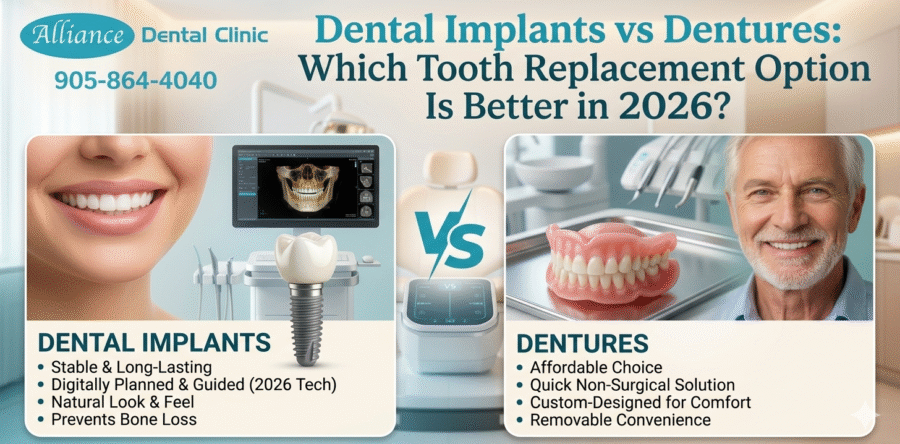
Denture or Implant: Understanding the Difference
When comparing denture or implant solutions, it helps to understand how each option works.
Dentures
Dentures are removable appliances that sit on top of the gums and replace multiple missing teeth.
Dental Implants
Implants are placed inside the jawbone and act as artificial tooth roots.
Key Differences
Stability:
Implants are fixed and stable, while dentures may move slightly when eating or speaking.
Bone Support:
Implants stimulate the jawbone and help maintain bone structure. Dentures do not provide the same stimulation.
Longevity:
Patients often ask how long will dental implants last. With proper care, implants can last many years and sometimes decades.
The Dental Implant Procedure
Many patients feel anxious about dental implants surgery, but modern implant procedures are carefully planned and performed with advanced diagnostic tools.
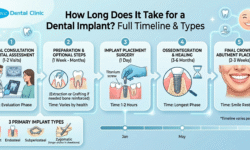
Step-by-Step Implant Procedure
- Initial dental consultation and evaluation
- Diagnostic imaging and treatment planning
- Implant placement during dental implants surgery
- Healing period for bone integration
- Placement of the final implant and crown
This process ensures the implant integrates securely with the jawbone.
Pain Levels and What to Expect
It’s natural to be concerned about discomfort during or after implant treatment.
Normal Discomfort
Mild soreness or swelling around the implant site is common during the first few days.
Inflammation
Temporary gum inflammation may occur as the tissues heal.
Possible Infection
If pain becomes severe or persistent, it’s important to seek dental care promptly.
Pain usually improves within several days following the procedure.
I understand how frustrating dental discomfort can feel, especially when it interferes with eating or sleeping. If you’re experiencing persistent pain, reaching out to a dental professional can help identify the cause and provide relief.
Pain Locations and What They May Indicate
Pain can appear in different areas during recovery.
Jawbone discomfort: often related to implant healing.
Gum tenderness: typically occurs around the surgical site.
Pressure while chewing: may occur temporarily during recovery.
If symptoms worsen instead of improving, it is important to consult your dentist.
What to Do After Dental Implant Surgery
Proper aftercare helps support healing and long-term success.
What to Do
- Follow your dentist’s post-surgery instructions
- Maintain gentle oral hygiene
- Eat soft foods during the early recovery period
- Attend follow-up appointments
What Not to Do
- Avoid smoking during healing
- Avoid chewing hard foods on the implant site
- Do not ignore persistent pain or swelling
These steps support the healing process and reduce the risk of complications.
Recovery Timeline
The healing process after dental implants surgery happens gradually.
First 48 hours: mild swelling and tenderness
First week: gum tissues begin healing
Several weeks: bone integration continues
Three to six months: implant becomes fully stable
After healing, the final crown is attached to complete the restoration.
Cost Considerations in Canada
Many patients ask questions such as:
- How much is a dental implant in Canada?
- How much does dental implants cost in Canada?
- How much are dental implants for the whole mouth?
The answer varies depending on several factors, including:
- Number of implants required
- Bone condition
- Type of restoration
- Additional procedures
The best way to understand dental implants cost Ontario patients may expect is through a personalized consultation with a dental professional.
Emotional Impact of Missing Teeth
Tooth loss can affect emotional well-being as well as oral health. Many people feel self-conscious about smiling or speaking when they have missing teeth.
If you’re feeling this way, please know that these concerns are very common. Modern dental treatments like implants offer effective solutions that restore both function and confidence.
What Happens If Missing Teeth Are Not Replaced?
Leaving missing teeth untreated may lead to several oral health issues, including:
- Bone loss after tooth loss
- Shifting of nearby teeth
- Difficulty chewing certain foods
- Changes in bite alignment
Replacing missing teeth can help maintain long-term oral health and chewing function.
Submit Your Story
Have you experienced tooth loss or undergone dental implant treatment?
At Alliance Dental Clinic in Milton, we believe patient experiences can help others feel more confident about seeking care. If you would like to share your journey, consider submitting your story. Your experience could encourage someone else who is currently exploring treatment options.
Frequently Asked Questions
What is a dental implants treatment?
A dental implant is an artificial tooth root placed in the jawbone to support a crown or other restoration.
What is implant in dentistry?
In implant dentistry, a small post is surgically placed in the jawbone to support a replacement tooth.
How long will dental implants last?
With proper care, dental implants can last many years and sometimes decades.
How much is a dental implant in Canada?
The cost varies depending on treatment complexity, number of implants, and additional procedures required.
How much does dental implants cost in Canada?
Implant costs vary across provinces and clinics. A consultation helps determine the most accurate estimate.
What are the 3 types of dental implants?
The main types are endosteal implants, subperiosteal implants, and zygomatic implants.
What do dental implants look like?
The final restoration includes a dental crown designed to match the color and shape of natural teeth.
How much are dental implants for the whole mouth?
Full mouth implant treatment varies depending on the number of implants and type of restoration used.
References
This article is based on clinical guidance and patient education resources from trusted organizations including:
- American Dental Association (ADA)
- Canadian Dental Association (CDA)
- Health Canada oral health resources
These organizations provide evidence-based information on dental procedures and oral health care.
Ready to restore your smile with the right tooth replacement option? Book your appointment today with Alliance Dental Clinic in Milton and take the first step toward a healthier, more confident smile. If you have any questions before your visit, our friendly team is always here to help.