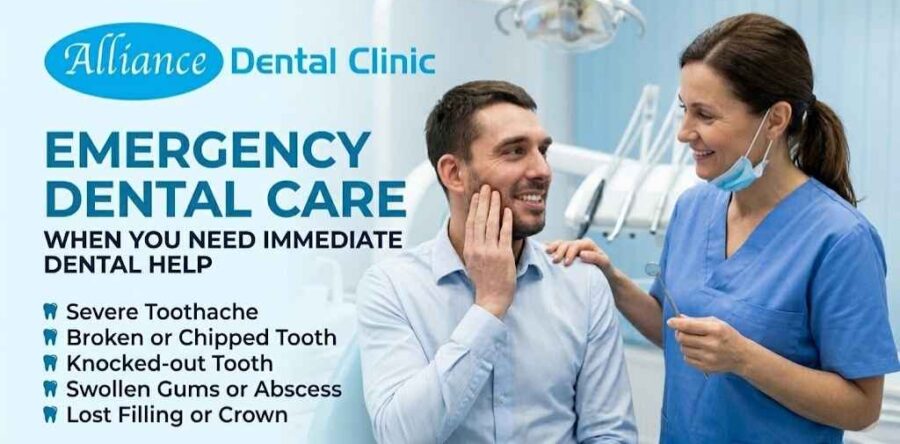
Dental pain can appear suddenly and disrupt your entire day. A broken tooth, severe toothache, or swelling can make simple tasks like eating or speaking extremely difficult. As someone who works closely with patients seeking emergency dental care, I understand how stressful and frightening these situations can feel. Many people search for emergency dental help only when the pain becomes unbearable, but recognizing the warning signs earlier can help prevent serious complications.
At Alliance Dental Clinic, we help patients in Milton manage urgent dental situations quickly and safely. Whether you need an emergency dental clinic, a quick dentist appointment, or guidance on immediate dental care emergency, understanding what qualifies as a dental emergency can help you act at the right time.
This guide explains the symptoms, pain levels, causes, and the correct steps to take during a dental emergency.
What Is a Dental Emergency?
A dental emergency refers to any oral health issue that requires immediate professional attention to relieve severe pain, stop bleeding, or save a tooth.
Common dental emergencies include:
- Severe toothache
- Knocked-out tooth
- Broken or chipped tooth
- Dental abscess or infection
- Severe swelling of gums or jaw
- Uncontrolled bleeding after dental trauma
When these situations occur, visiting an emergency dental clinic as soon as possible is critical. Prompt dental emergency care can prevent infection from spreading and protect surrounding teeth.
Understanding Dental Pain Levels
Not all dental pain feels the same. In clinical practice, pain usually progresses through several stages.
1. Mild Discomfort
This level of pain may appear when consuming cold or hot foods. It can indicate:
- early tooth decay
- enamel wear
- gum sensitivity
While this discomfort may seem manageable, it should still be evaluated by a family dentist before it worsens.
2. Inflammation Pain
When inflammation occurs inside the tooth or gums, pain becomes more noticeable and persistent.
Common signs include:
- throbbing pain
- sensitivity when chewing
- swollen gums
- localized tenderness
At this stage, scheduling a dentist appointment at a family dental clinic can prevent the condition from progressing into an emergency.
3. Severe Infection Pain
Severe dental infections produce intense pain that may spread to the jaw, ear, or head.
Symptoms may include:
- severe throbbing pain
- swelling in the face or jaw
- fever
- bad taste in the mouth
- pus near the gums
This situation requires immediate dental emergency care because untreated infection can spread to other areas of the body.
Pain Location and What It May Indicate
The location of pain often provides clues about the underlying dental problem.
Front Tooth Pain
Pain in the front teeth may indicate:
- enamel damage
- trauma
- chipped or cracked teeth
Back Tooth Pain
Pain in molars is commonly associated with:
- deep cavities
- infection inside the tooth
- wisdom tooth complications
Gum Pain
Pain in the gums may suggest:
- gum infection
- abscess formation
- periodontal disease
Jaw or Facial Pain
Pain spreading into the jaw may indicate:
- severe infection
- impacted tooth
- temporomandibular joint stress
A quick visit to a dental clinic ensures accurate diagnosis and proper dental services before the condition worsens.
Step-by-Step: What to Do During a Dental Emergency
When a dental emergency occurs, quick action can save your tooth and reduce complications.
Step 1: Stay Calm
Panic can make the situation worse. Take a moment to assess the pain and symptoms.
Step 2: Rinse Your Mouth
Use warm saltwater to gently rinse your mouth. This can help reduce bacteria and soothe irritation.
Step 3: Control Bleeding
If bleeding occurs, apply gentle pressure using clean gauze.
Step 4: Apply a Cold Compress
Place a cold compress on the outside of your cheek to reduce swelling and discomfort.
Step 5: Contact an Emergency Dental Clinic
The most important step is scheduling an urgent dentist appointment with a professional who provides emergency dental care.
What NOT to Do During a Dental Emergency
Many online remedies can make dental conditions worse. Avoid the following:
- Do not place aspirin directly on gums
- Do not ignore swelling or fever
- Do not delay treatment for severe pain
- Do not attempt to glue broken teeth yourself
A professional dental clinic should always evaluate serious symptoms.
When NOT to Google: Seek Immediate Dental Care
While online information can be helpful, some symptoms require immediate treatment rather than internet searches.
Stop reading and visit an emergency dental clinic immediately if you experience:
- severe facial swelling
- uncontrolled bleeding
- knocked-out tooth
- intense pain lasting more than 24 hours
- difficulty swallowing or breathing
According to the American Dental Association (ADA) and the Canadian Dental Association (CDA), untreated dental infections can lead to serious complications if bacteria spread beyond the mouth.
Is a Dental Emergency a Medical Emergency?
Many people ask whether dental emergencies are considered medical emergencies.
In most cases, dental emergencies require treatment from a dentist rather than a hospital. However, certain situations may require immediate medical attention.
Seek emergency medical care if you experience:
- severe facial swelling affecting breathing
- trauma involving the jaw or skull
- uncontrolled bleeding
- high fever related to dental infection
Otherwise, visiting a dental clinic or family dental clinic is usually the best solution.
Where to Go for a Dental Emergency
If you experience severe dental pain or trauma, the best place to seek help is a professional dental office near me that provides urgent care.
At Alliance Dental Clinic, patients can receive prompt dental emergency care for problems such as:
- tooth fractures
- dental infections
- severe toothaches
- damaged restorations
Our team provides comprehensive dental services in a calm and supportive environment. As a trusted family dentist, we focus on quick diagnosis and effective treatment to relieve pain and protect long-term oral health.
Recovery Timeline After Dental Treatment
Recovery depends on the type of dental emergency.
Minor Dental Issues
Small cracks or mild infections often improve within a few days after treatment.
Moderate Dental Problems
Procedures such as fillings or root canal treatments may require one to two weeks for full healing.
Severe Infections
Advanced infections or surgical procedures may require longer recovery and follow-up visits at a family dental clinic.
Your dentist will provide personalized guidance to ensure proper healing.
Possible Complications If Dental Emergencies Are Ignored
Ignoring dental pain can lead to serious complications, including:
- tooth loss
- spreading infection
- gum disease
- jawbone damage
Clinical guidelines from the ADA and Health Canada emphasize early treatment to prevent infections from affecting overall health.
You Are Not Alone — Many Patients Experience Dental Emergencies
Dental emergencies can feel overwhelming, especially when pain appears suddenly. I often reassure patients that these situations are more common than they think.
If you are experiencing intense tooth pain or swelling, know that help is available. Seeking professional dental care quickly can relieve pain and protect your oral health.
Submit Your Story
Have you experienced a dental emergency before?
Sharing your experience can help other patients understand what to expect and how to respond quickly. If you have a story about sudden tooth pain, dental trauma, or emergency treatment, consider sharing it with your dental care provider.
Patient experiences often help others recognize symptoms earlier and seek timely treatment.
Frequently Asked Questions
What Is a Dental Emergency?
A dental emergency is any oral health condition that requires immediate treatment to relieve severe pain, stop bleeding, or save a tooth. Examples include knocked-out teeth, severe infections, and intense toothaches.
Where Should I Go for a Dental Emergency?
The best place to go is an emergency dental clinic or a family dental clinic that offers urgent care services. Dentists are trained to diagnose and treat dental emergencies quickly.
Is a Dental Emergency a Medical Emergency?
Most dental emergencies should be treated by a dentist rather than a hospital. However, if swelling affects breathing or there is severe trauma to the face or jaw, emergency medical care may be required.
How This Article Was Created
This article was developed using evidence-based dental guidelines and trusted medical references. The information aligns with recommendations from recognized organizations such as:
- American Dental Association (ADA)
- Canadian Dental Association (CDA)
- Health Canada
Clinical insights, patient care practices, and dental protocols were used to ensure accuracy and reliability. No exaggerated claims, fabricated statistics, or unverified medical data were included. The goal is to provide helpful, trustworthy guidance for individuals seeking safe and professional emergency dental care.