
A brighter smile can instantly boost confidence, and tooth whitening is one of the most popular cosmetic dental treatments today. But what kind of results should you realistically expect before and after tooth whitening? Understanding the process, outcomes, and factors that affect whitening success can help you make an informed decision and achieve the best possible smile.
What Is Tooth Whitening?
Tooth whitening is a cosmetic dental procedure designed to remove stains and discoloration from the surface of teeth. Over time, teeth can become stained due to coffee, tea, red wine, smoking, aging, and certain medications. Professional whitening treatments and dentist-approved at-home solutions can significantly lighten tooth shade and restore natural brightness.
Before Whitening: What to Know
Before starting a teeth whitening treatment, it’s important to understand your current tooth condition and goals.
Initial Dental Assessment
A dentist will examine your teeth and gums to ensure they are healthy. Cavities, gum disease, or excessive sensitivity may need treatment before whitening begins.
Type of Stains Matters
- Extrinsic stains (from food, drinks, or smoking) respond very well to whitening
- Intrinsic stains (from trauma or medications) may require advanced cosmetic dentistry solutions
Setting Realistic Expectations
Whitening can improve tooth shade by several levels, but results vary depending on enamel thickness, stain type, and whitening method.
After Whitening: Expected Results
Immediate Visible Brightening
Most patients notice a visible difference right after professional teeth whitening. Teeth often appear 2–8 shades whiter, depending on the treatment used.
Long-Lasting Effects
With proper care, whitening results can last 6 months to 2 years. Avoiding stain-causing foods and maintaining good oral hygiene can extend results.
Possible Temporary Sensitivity
Mild sensitivity is common after whitening but usually fades within 24–48 hours.
Professional Whitening vs At-Home Options
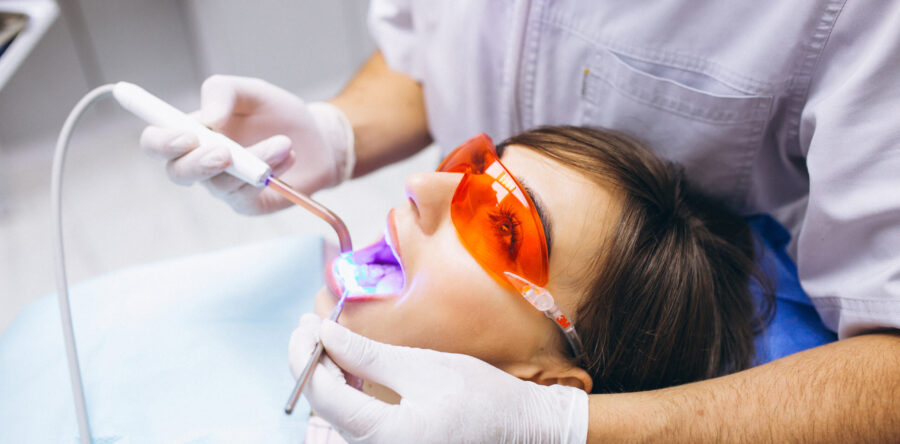
In-Office Teeth Whitening
- Faster and more dramatic results
- Supervised by a dental professional
- Ideal for deep or stubborn stains
At-Home Whitening Kits
- Gradual whitening over time
- More affordable and convenient
- Best for mild discoloration
Your dentist can recommend the best option based on your whitening goals.
How to Maintain Your Whitening Results
- Brush and floss daily using a whitening-friendly toothpaste
- Limit coffee, tea, red wine, and tobacco
- Schedule regular dental cleanings
- Consider touch-up whitening treatments as advised
Consistent oral care plays a key role in preserving your before and after results.
Frequently Asked Questions (FAQs)
1. How many shades whiter will my teeth get after whitening?
Most patients see an improvement of 2–8 shades, depending on the type of whitening treatment and existing stains.
2. Is whitening safe for enamel?
Yes, professional teeth whitening is safe when performed or supervised by a dentist and does not damage tooth enamel.
3. How long do whitening results last?
Results typically last 6 months to 2 years, depending on oral hygiene and lifestyle habits.
4. Does tooth whitening work on crowns or fillings?
No, whitening agents do not change the color of crowns, veneers, or fillings. A dentist can discuss cosmetic alternatives if needed.
5. Can I whiten my teeth if I have sensitivity?
Yes, there are whitening options designed for sensitive teeth. Your dentist can customize a treatment to minimize discomfort.
Conclusion
Understanding before and after tooth whitening results helps set realistic expectations and ensures long-term satisfaction. Whether you choose professional teeth whitening or dentist-approved at-home options, the right approach can deliver a noticeably brighter, more confident smile.
