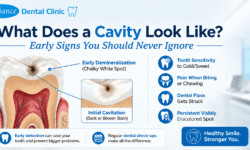
Tooth pain is one of the most disruptive forms of discomfort a person can experience. Whether it comes on gradually or strikes without warning, deep dental pain is your body signalling that something is wrong inside the tooth itself. At Alliance Dental Clinic, we help patients across Milton and the surrounding communities understand their options, make confident decisions, and get the relief they need. This guide covers everything you need to know about root canal treatment — from recognising the warning signs to recovering comfortably at home.
What Is a Root Canal and Why Is It Performed?
Root canal treatment is a dental procedure designed to treat infection or severe inflammation inside the pulp of a tooth. The pulp is the soft inner tissue that contains nerves, blood vessels, and connective tissue. When bacteria penetrate the pulp — through deep decay, a cracked tooth, or trauma — the result is infection, swelling, and significant pain.
The goal of root canal dentistry is straightforward:
- Remove the infected or inflamed pulp tissue
- Clean and shape the inner canals of the tooth
- Seal the tooth to prevent re-infection
- Restore the tooth so it continues to function normally
Contrary to the reputation root canals have acquired over the years, the procedure is not the source of the pain — the infection is. Modern root canal treatment relieves that pain rather than causing it.
When Do You Need a Root Canal?
Not every toothache requires root canal treatment, but there are specific symptoms that indicate the pulp is infected or dying. You may need root canal treatment for teeth if you experience any of the following:
- Persistent, throbbing tooth pain that does not resolve on its own
- Sensitivity to heat or cold that lingers for more than a few seconds after the stimulus is removed
- Pain when biting or applying pressure to the tooth
- Swelling, tenderness, or a pimple-like bump on the surrounding gum
- Darkening or discolouration of the tooth
- A cracked, chipped, or broken tooth where the inner pulp may be exposed
It is worth noting that some patients with infected pulp experience very little pain — this can happen when the nerve has died completely. An absence of pain does not mean an absence of infection. This is why regular dental examinations at Alliance Dental Clinic are an essential part of maintaining your oral health.
Can a Chipped Tooth Require a Root Canal?
Yes. A root canal for a chipped tooth becomes necessary when the crack or fracture extends deep enough to expose or damage the pulp. Even a minor-looking chip can create a pathway for bacteria to travel to the inner tissue of the tooth. If you have chipped a tooth, it is important to have it evaluated promptly, even if you are not in significant pain.
Root Canal vs. Tooth Extraction: Which Is the Better Choice?
When a tooth is severely infected or damaged, patients are often presented with two options: root canal treatment or extraction. Here is how they compare.
The Case for Root Canal Treatment
Saving your natural tooth is almost always the preferred approach from a dental health standpoint. Your natural teeth are uniquely suited to their position in your mouth. Keeping them supports:
- Normal chewing function and bite alignment
- Jawbone integrity — tooth roots stimulate bone and prevent deterioration
- The positions of neighbouring teeth, which tend to shift after an extraction
- A natural appearance without the need for a prosthetic replacement
When Extraction May Be Necessary
In some situations, a tooth is too severely damaged or decayed to be saved, even with root canal dentistry. In these cases, extraction becomes the appropriate path. However, when extraction is performed, the gap it leaves should be addressed — whether through a dental implant, bridge, or partial denture — to prevent the complications described above.
The decision between tooth extraction or root canal treatment should always be made in consultation with a dental professional who can assess your specific situation with X-rays and a thorough examination. At Alliance Dental Clinic, we take the time to explain your options clearly before any treatment begins.
The Root Canal Procedure: Step by Step
Understanding what happens during a root canal appointment helps reduce anxiety significantly. Here is what to expect at Alliance Dental Clinic in Milton.
Step 1: Examination and Diagnosis
Your appointment begins with a clinical examination and dental X-rays. These images allow us to assess the extent of infection, the anatomy of the root canals of the tooth, and the surrounding bone structure. We will discuss the findings with you before proceeding.
Step 2: Local Anaesthesia
A local anaesthetic is applied to completely numb the tooth and surrounding area. Most patients are surprised to find that the procedure itself is no more uncomfortable than having a filling placed. The infection causes the pre-treatment pain — once the area is anaesthetised, you should feel pressure but not pain.
Step 3: Removal of the Pulp
A small opening is made in the crown of the tooth to access the pulp chamber. Using fine instruments, the infected pulp tissue is carefully removed from the pulp chamber and each of the root canals.
Step 4: Cleaning and Shaping
The canals are cleaned, shaped, and irrigated with an antimicrobial solution to eliminate any remaining bacteria and debris. This is one of the most technically precise stages of the procedure.
Step 5: Sealing the Tooth
Once the canals are clean and dry, they are filled with a biocompatible material called gutta-percha and sealed to prevent future bacterial entry. A temporary or permanent filling is placed to close the access opening.
Step 6: Restoration
In most cases, a dental crown is placed after root canal treatment at a subsequent appointment. This is particularly important for back teeth, which endure significant biting forces.
Do You Need a Crown After a Root Canal?
This is one of the most common questions patients ask, so it deserves a clear answer. In most cases — particularly for premolars and molars — yes, a dental crown after root canal treatment is strongly recommended.
After the pulp is removed, the tooth no longer receives the same internal nourishment. Over time, it can become more brittle. A crown:
- Protects the tooth from fracture under normal biting forces
- Restores the full shape and function of the tooth
- Seals the tooth against further bacterial contamination
- Provides a natural-looking, durable surface
For front teeth, which bear less biting pressure, a crown may not always be required — your dentist will advise based on your specific circumstances.
How Painful Is a Root Canal?
This is the question almost every patient asks, and the honest answer is: much less painful than most people expect. Modern root canal dentistry has changed enormously. With current anaesthetic techniques and instruments, the majority of patients report that the procedure was far more comfortable than their fear had led them to anticipate.
The Canadian Dental Association confirms that local anaesthesia renders the procedure effectively pain-free for most patients. Some mild soreness may be present after the anaesthetic wears off, but this is manageable and temporary.
Many patients tell us they wish they had come in sooner. The fear of root canal treatment often leads to delays — and delays allow infections to worsen, which causes more discomfort in the long run.
How Long Does a Root Canal Take to Heal?
Recovery from root canal treatment is generally straightforward for most patients. Here is a realistic timeline.
First 24 to 48 Hours
Some tenderness or mild sensitivity around the treated tooth is normal and expected. Over-the-counter pain relief, taken as directed, is typically sufficient. Avoid chewing on the treated side until your permanent restoration is in place.
Days 3 to 7
Discomfort should reduce noticeably. Any swelling that was present before treatment will continue to resolve. If symptoms worsen or you develop a fever, contact our clinic promptly.
One to Two Weeks
Most patients feel completely normal within one to two weeks. The healing of the surrounding bone and tissue continues over the following months, but this occurs without any noticeable symptoms.
Healing is influenced by the severity of the original infection, your overall health, and how carefully you follow post-treatment care instructions.
Understanding Root Canal Treatment Cost
One of the most common searches people perform is root canal cost in Ontario or root canal treatment cost in Canada. The honest answer is that costs vary based on several factors:
- Which tooth is being treated — front teeth generally differ from premolars or molars in complexity
- The severity and extent of the infection
- Whether additional procedures such as a dental crown are required
- Your dental insurance coverage, if applicable
At Alliance Dental Clinic, we provide a clear, personalised cost estimate before any treatment begins. We are happy to assist you understand your insurance benefits and what out-of-pocket expenses to expect. We believe no patient should be left uncertain about the financial aspect of their care. Call us at 905-864-4040 or visit dentistinmilton.ca to book a consultation.
What Happens If You Delay Root Canal Treatment?
Dental infections do not resolve on their own. Without treatment, an infected tooth presents risks that extend beyond the mouth:
- An abscess — a pocket of pus — can form at the root tip, causing severe localised pain and swelling
- The infection can spread to the surrounding jawbone, leading to bone loss
- In rare but serious cases, the infection can spread to the neck, throat, or beyond, becoming a medical emergency
- The tooth will ultimately be lost, requiring more extensive and costly replacement options
Early intervention is always preferable. If you are experiencing any of the symptoms described in this article, booking an appointment at Alliance Dental Clinic in Milton is the most important step you can take.
Seek Immediate Care If You Experience These Symptoms
Some situations require urgent dental attention rather than a routine appointment. Come to our clinic or seek emergency dental care right away if you have:
- Severe swelling of the face, jaw, or neck
- Difficulty breathing or swallowing
- A fever combined with tooth or jaw pain
- Throbbing pain that does not respond to over-the-counter pain relief
- Pus, discharge, or a persistent bad taste in the mouth
Alliance Dental Clinic is open evenings and weekends for emergency services. Call us at 905-864-4040 if you are in acute discomfort.
Why Choose Alliance Dental Clinic as Your Root Canal Specialist in Milton?
Since opening in November 2008, Alliance Dental Clinic has been serving families across Milton, Ontario with comprehensive dental care. We are conveniently located in the Milton Professional Centre, right beside Life Labs. Here is what sets us apart:
- A gentle, patient-centred approach that prioritises your comfort and understanding
- Advanced imaging technology for accurate diagnosis and treatment planning
- Evening and weekend availability, including emergency dental services
- Transparent communication about treatment options and costs before any procedure begins
- A trusted community reputation — 4.8 stars based on Google reviews from Milton patients
We treat root canal treatment for teeth as a restorative service — one that relieves pain, preserves your smile, and protects your long-term oral health. Our team is here to guide you every step of the way.
Frequently Asked Questions
When do you need a root canal?
Root canal treatment is needed when the pulp inside a tooth becomes infected or severely inflamed — typically due to deep decay, a cracked tooth, trauma, or repeated dental work on the same tooth. Symptoms often include persistent pain, prolonged sensitivity to temperature, swelling, and tenderness when biting. However, some patients have infected pulp with few obvious symptoms, which is why regular dental check-ups are important.
How much does a root canal cost in Ontario?
The cost of root canal treatment in Ontario varies depending on the specific tooth being treated, the complexity of the procedure, and whether additional work such as a crown is needed. Dental insurance may cover a portion of the cost. For an accurate estimate tailored to your situation, we recommend booking a consultation at Alliance Dental Clinic where we will review your specific needs and coverage in detail.
After a root canal, do you need a crown?
In most cases, yes — particularly for back teeth that bear significant chewing forces. A dental crown after root canal treatment protects the tooth from fracturing, restores its function, and prevents recontamination. For front teeth, a crown may not always be necessary, and your dentist will advise based on the individual tooth and how much natural structure remains.
How painful is a root canal?
With modern local anaesthesia, root canal treatment is not significantly more painful than having a cavity filled. Most patients are genuinely surprised by how comfortable the procedure is. The infection itself — not the treatment — is responsible for the pain associated with a root canal. Mild post-procedure tenderness is normal for a few days and is easily managed with over-the-counter pain relief.
How long does a root canal take to heal?
Most patients recover within one to two weeks. Mild tenderness in the first 48 hours is normal. By day three to seven, discomfort reduces substantially. Full healing of the surrounding bone and tissue occurs over several months but typically causes no noticeable symptoms. Following your dentist’s aftercare instructions and attending follow-up appointments supports a smooth, complete recovery.
What is the difference between root canal treatment and tooth extraction?
Root canal treatment saves the natural tooth by removing infected pulp and sealing the tooth. Tooth extraction removes the tooth entirely. In most situations, preserving the natural tooth with root canal treatment is the preferred approach because it maintains jawbone integrity, prevents neighbouring teeth from shifting, and avoids the need for a prosthetic replacement. Your dentist will recommend extraction only when the tooth cannot be saved.
Book Your Consultation at Alliance Dental Clinic in Milton
If you are dealing with tooth pain or have been told you may need root canal treatment, the best thing you can do is seek a professional evaluation as soon as possible. Early care leads to simpler treatment, faster recovery, and better long-term outcomes.
Alliance Dental Clinic is accepting new patients and walk-ins for dental emergencies.
- Location: Milton Professional Centre, beside Life Labs, Milton, Ontario
- Phone: 905-864-4040
- Hours: Monday to Friday 9am to 7pm, Saturday 9am to 2pm
- Website: dentistinmilton.ca
Contact us today to schedule your appointment and take the first step toward a pain-free, healthy smile.
This article was developed by Alliance Dental Clinic using clinical guidelines from the Canadian Dental Association (CDA) and the American Dental Association (ADA), combined with more than 15 years of patient care experience in Milton, Ontario.