

A lot of people get confused between teeth whitening Milton treatments and tooth polishing, but both procedures serve different purposes in maintaining oral health and appearance. Here’s a simple explanation to help you understand the difference.
Differences between these procedures
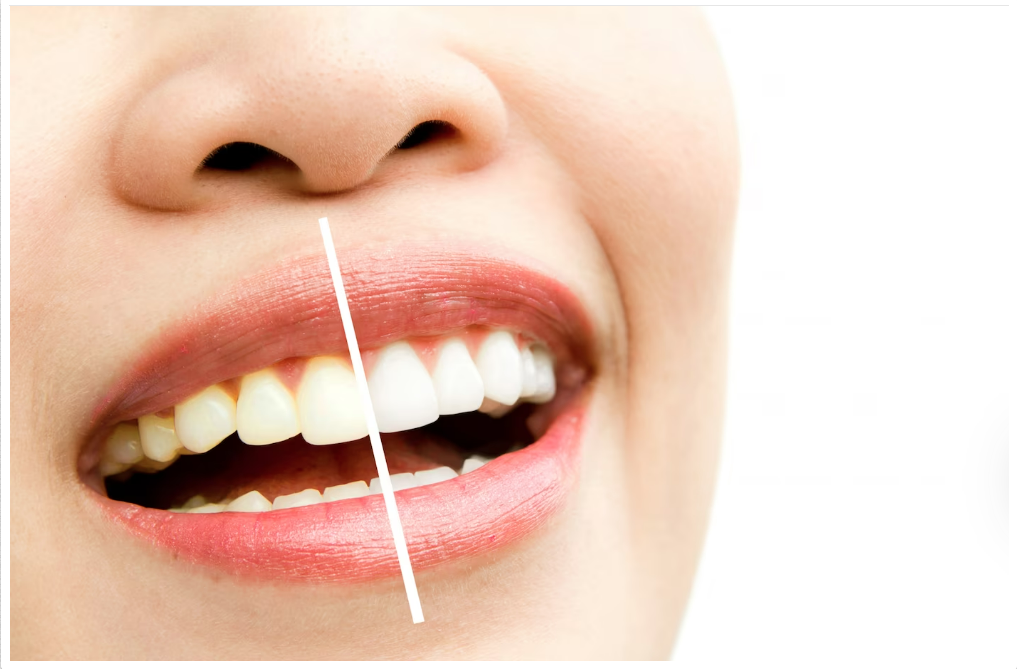
Both tooth whitening and tooth polishing are carried out by dentists to improve your smile and oral hygiene. The sole purpose of teeth whitening Milton treatments is to enhance the color of your teeth and give you a brighter smile. Most whitening procedures can lighten teeth by up to eight shades, effectively treating deep stains caused by lifestyle habits or genetics. whitening treatments work by bleaching the enamel to achieve a whiter, more radiant shade.
On the other hand, tooth polishing is performed during routine dental visits. It helps remove plaque, tartar, and surface stains using a gentle air-polishing technique. This method provides a deep clean and restores the natural shine of your teeth. While polishing improves the overall color of your teeth by removing surface stains, it doesn’t alter the tooth’s natural shade like whitening does.
What causes Tooth Coloration?
Common causes of tooth discoloration include poor oral hygiene, tobacco use, and consumption of dark-colored beverages like coffee, tea, and red wine. Failing to brush after consuming these can cause stains to settle on the enamel. Aging also plays a role, as enamel wears down over time, exposing the yellowish dentin beneath. In some cases, overexposure to fluoride in childhood can lead to discoloration.
Is Tooth Whitening safe?
Yes, when done under professional supervision. Always choose an experienced teeth whitening dentist in Milton who uses products that meet safety standards and are free of harsh chemicals. Using unverified whitening products can damage the enamel or cause sensitivity. Professional teeth whitening Milton services ensure both effectiveness and safety, giving you a whiter smile without compromising oral health.
Does the Procedure Hurt?
Tooth whitening is generally painless. The whitening agents are applied to the enamel and don’t affect the nerves. Some laser or heat-based treatments may cause mild discomfort, but pain is rare. If you feel any unusual sensitivity during the procedure, inform your dentist immediately.
What are the Side Effects of Tooth Whitening?
Most people experience only temporary sensitivity after whitening. This minor discomfort typically disappears within a few days. To avoid any irritation or prolonged sensitivity, always consult your teeth whitening dentist before starting treatment and follow their aftercare recommendations.
Maintaining good oral health requires visiting your dentist at least twice a year. These checkups help keep your teeth and gums healthy, prevent plaque buildup, and identify early signs of discoloration. Early detection allows your teeth whitening dentist to recommend the right treatment before stains worsen.
Brighten Your Smile: Whitening & Polishing
Both teeth polishing and teeth whitening Milton treatments play vital roles in achieving and maintaining a confident smile. Tooth whitening focuses on brightening your teeth by bleaching the enamel and reducing deep stains, while polishing smooths and cleans the surface for better hygiene and shine. Together, they create a balanced approach to oral care and long-term dental health. Choose a professional teeth whitening dentist in Milton for safe, effective results that make your smile truly stand out.
FAQs
Q1. How long does a teeth whitening treatment last?
Professional teeth whitening Milton results can last anywhere from six months to two years, depending on your oral hygiene and lifestyle habits.
Q2. Is teeth whitening safe for sensitive teeth?
Yes, but it’s important to let your teeth whitening dentist know if you have sensitivity. They can use gentler whitening agents to minimize discomfort.
Q3. Can I whiten my teeth at home?
While at-home kits are available, professional whitening from a qualified teeth whitening dentist ensures faster, safer, and more consistent results.
Q4. How often should I polish my teeth?
Most dentists recommend teeth polishing during regular cleanings every six months to maintain healthy enamel and prevent staining.
Q5. What’s the difference between teeth whitening and polishing?
Teeth whitening changes the color of your enamel using bleaching agents, while polishing removes plaque and surface stains to restore natural shine.
Looking for Tooth Whitening in Milton? Schedule an appointment, or give us a visit at Alliance Dental!
Read more
Why Choose Preventive Dental Care?
